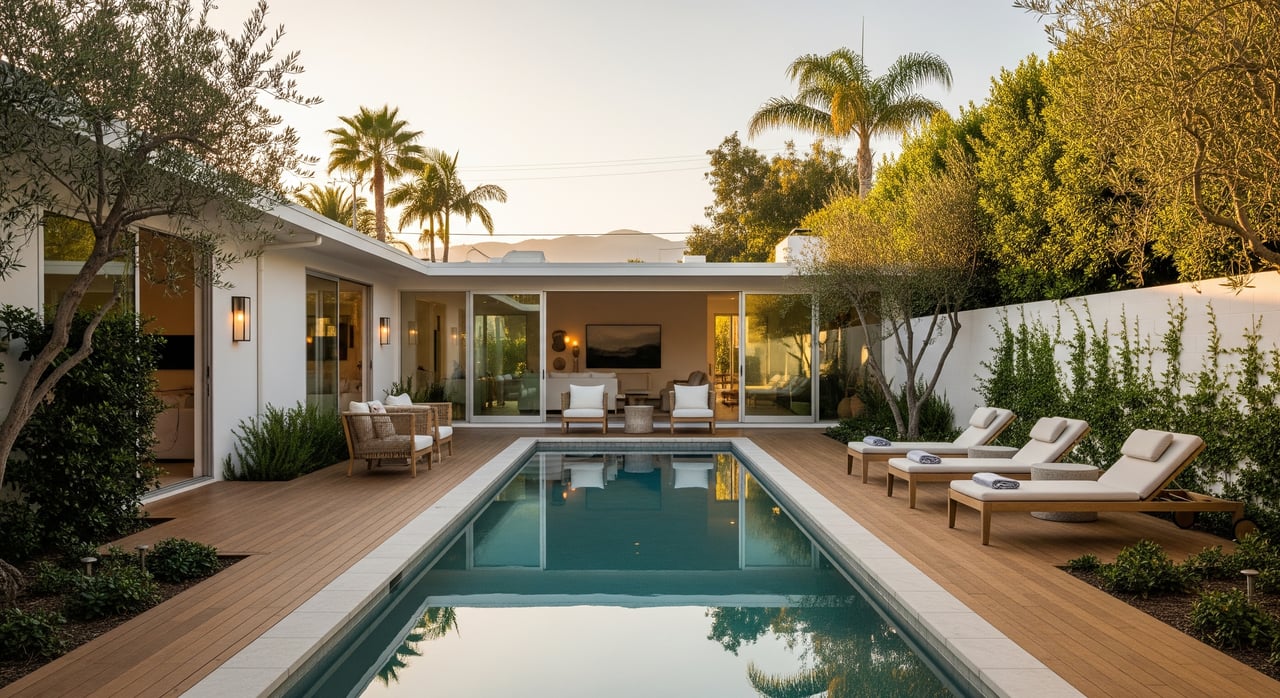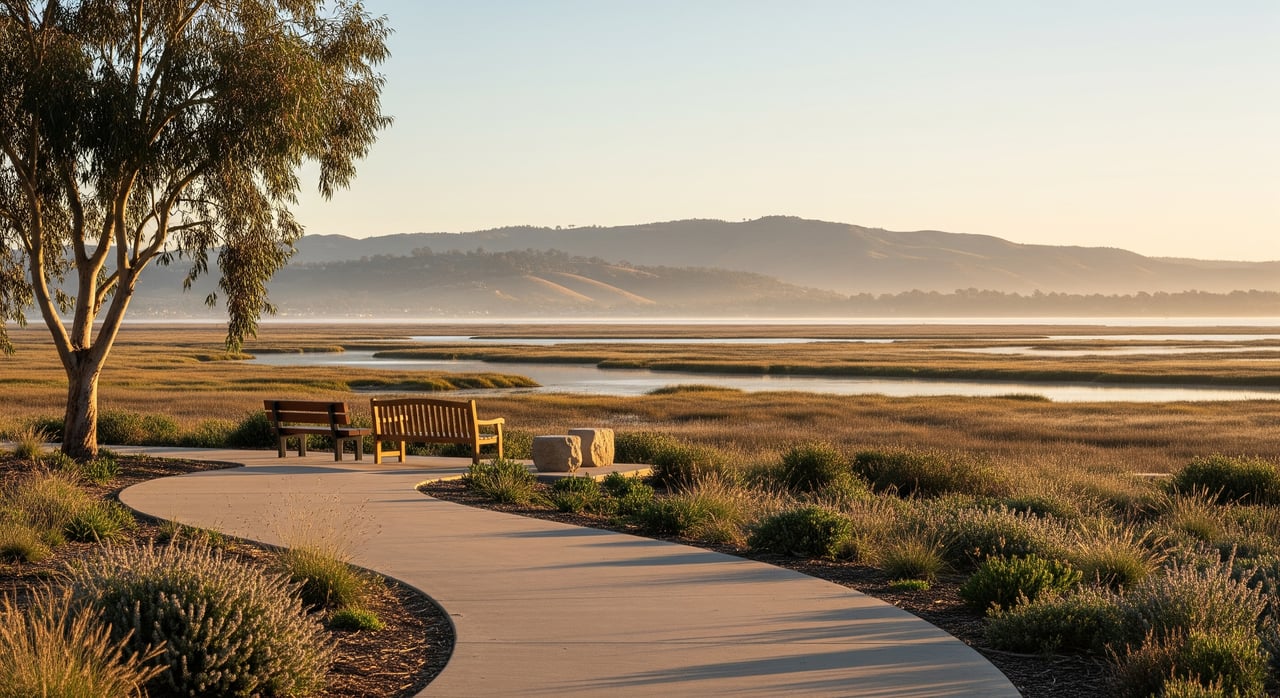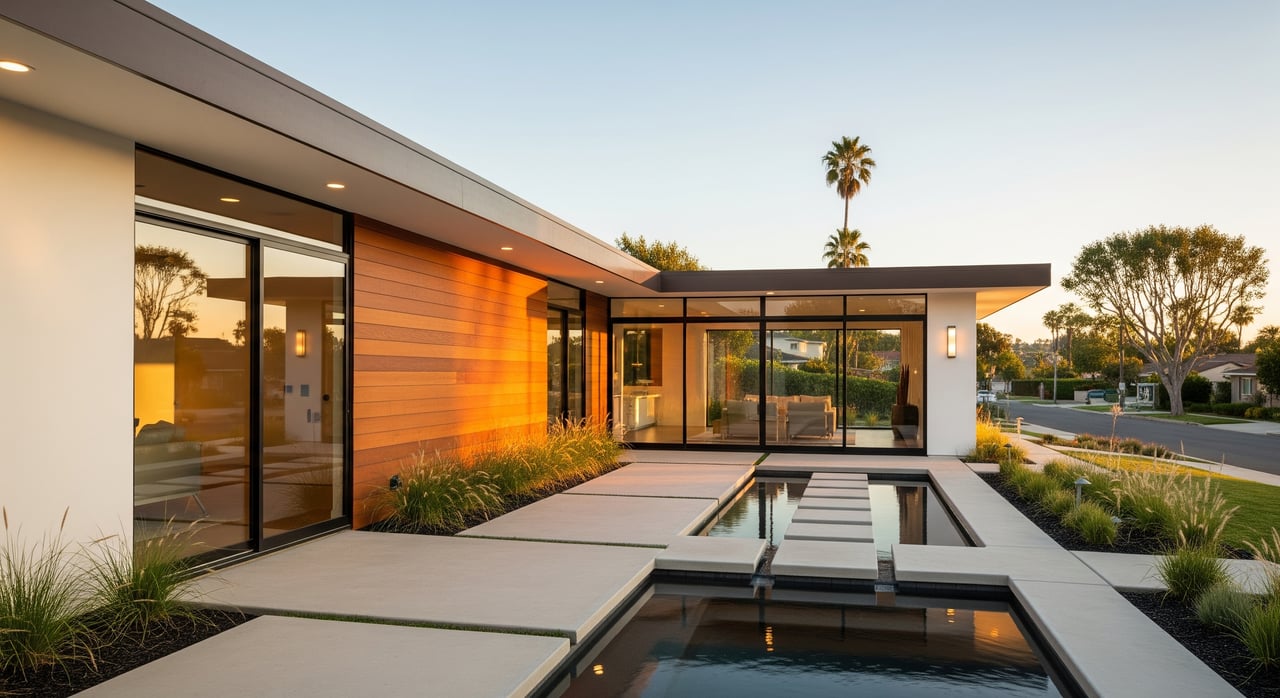
Trying to choose between Eastside, Mesa Verde, and South Coast in Costa Mesa? Each area offers a different mix of homes, HOA involvement, commute options, and lifestyle. You want a clear, side‑by‑side view so you can focus your home search with confidence. In this guide, you’ll learn what each neighborhood is known for, what to expect with HOAs, how commute access varies, and what to verify before you buy. Let’s dive in.
Quick neighborhood snapshot
- Eastside: East of Newport Boulevard toward the Costa Mesa–Newport Beach border, with many older single‑family homes on smaller lots and a neighborhood feel near local retail corridors. Informal boundaries vary, so confirm for any specific property.
- Mesa Verde: A more suburban layout with single‑family tracts, some larger lots, and several planned subdivisions. Many homes date from the 1960s–1980s with later renovations.
- South Coast: Centered around South Coast Plaza and the Segerstrom Center, with a higher concentration of condos, townhomes, and newer infill options close to shopping and arts.
Neighborhood boundaries are informal. MLS, city planning, and school attendance maps may not match. Always verify the exact boundary and zoning for the address you are considering through the City of Costa Mesa Planning department.
Housing and lot size differences
Eastside homes
Eastside features mostly single‑family detached homes, including ranch and bungalow styles. Many properties were built between the 1940s and 1960s, with plenty of remodels and occasional newer replacements. Lot sizes tend to be smaller than in Mesa Verde, which can help with maintenance but limits yard space.
You will also find scattered duplexes and small apartment buildings near commercial corridors. With older housing stock, it is smart to review permits and upgrades, such as electrical, plumbing, roof, and seismic retrofits. If a home sits near a busier street, consider evaluating noise at different times of day.
Mesa Verde homes
Mesa Verde is known for single‑family tracts, many from the 1960s to 1980s. In several sections, lots are larger than typical Eastside parcels. Some areas include custom homes near greenbelts and parks, plus townhouse complexes along major roads.
Because Mesa Verde includes more planned subdivisions, you will encounter a moderate number of HOAs, especially in gated sections. These can provide common‑area landscaping and perimeter upkeep, which is helpful if you prefer lower exterior maintenance. Review HOA budgets and rules to understand what is covered and what design restrictions apply.
South Coast homes
South Coast offers the highest mix of condos, townhomes, live/work lofts, and newer infill developments. Single‑family homes exist but are less common in the core. Expect smaller private outdoor spaces and a more vertical living style compared with Eastside or Mesa Verde.
Most South Coast properties fall under HOAs. Monthly fees often cover common areas, building insurance, landscaping, and sometimes utilities or amenities. Proximity to major shopping and arts increases convenience and can translate to a higher price per square foot, offset by less yard maintenance.
HOA expectations by area
- Eastside: Lower HOA prevalence. Many detached homes are fee‑simple. Condos or gated enclaves near commercial areas may have HOAs.
- Mesa Verde: Moderate HOA presence due to planned tracts and some gated communities. Townhouse and condo complexes are also present.
- South Coast: High HOA prevalence for condos, townhomes, and mixed‑use projects. Monthly fees can be a significant part of your budget.
If the property is in an HOA, request these documents early:
- CC&Rs, bylaws, and current rules
- Current budget, financials, and most recent reserve study
- Recent meeting minutes and any notices of special assessments
- Insurance coverage summary and what the HOA policy covers vs. owner responsibility
- Delinquency rate, pending litigation, and known building or maintenance issues
Understanding these items helps you avoid surprises and make a clean, confident offer.
Commute and access
Regional connections
Costa Mesa offers direct access to I‑405 and SR‑55, with SR‑73 nearby for toll access to South County. The Orange County Transportation Authority runs bus routes across the city. For air travel, John Wayne Airport is a short drive from central and South Coast areas. Costa Mesa does not have a Metrolink station, so regional rail access is via Santa Ana or Irvine.
Eastside commute
Eastside sets you up for shorter drives to Newport Beach and other coastal employment centers. Access to local arterials is strong, and you will find transit options along commercial corridors. Highway on‑ramps can be busier at peak hours, so check drive times to your workplace during rush hour.
Mesa Verde commute
Mesa Verde is convenient to both SR‑55 and I‑405, which helps for northbound trips and regional commutes. The layout is more suburban and car‑friendly. Some tracts sit farther from retail or bus stops, so factor that into daily routines.
South Coast commute
South Coast places you close to the 405/55 junction and SNA. If you work in Irvine, Newport Beach, or central Costa Mesa, this area can reduce drive time for many trips. Transit is suitable for short hops to shopping and arts venues, but most regional commutes remain car‑centric.
Lifestyle and amenities
South Coast scene
If you want walkable access to regional retail and the arts, South Coast is a standout. South Coast Plaza anchors high‑end shopping and dining. The Segerstrom Center for the Arts brings year‑round performances, from concerts to theater and dance.
Nearby dining clusters and entertainment hubs create an active evening scene. Condos and townhomes keep maintenance light, which appeals to professionals, frequent travelers, and downsizers who value convenience.
Eastside convenience
Eastside offers a neighborhood feel with access to local cafes and shops along nearby retail corridors. You are closer to Newport Beach amenities and coastal recreation. If you want inland pricing with easier beach access, Eastside is worth a close look.
Mesa Verde parks
Mesa Verde emphasizes parks, green spaces, and a suburban street pattern. Many homes offer larger yards compared with Eastside. If you prioritize yard space and local parks for everyday activities, Mesa Verde often aligns with that lifestyle.
Most Costa Mesa addresses are served by Newport‑Mesa Unified School District. Assignments depend on exact boundaries and programs, so confirm details directly with the district before you buy.
How to choose your fit
Ask yourself a few quick questions to narrow your search:
- Do you want a single‑family home on a larger lot, or are you comfortable with condo living and less yard work?
- How important is HOA coverage for maintenance vs. flexibility for exterior changes?
- Is walkable access to shopping and arts a priority, or do you prefer quieter residential streets and parks?
- Will your commute rely more on highways, or do you need quick access to the airport?
- How close do you want to be to coastal recreation and Newport Beach amenities?
What to verify before you write an offer
Use this checklist to streamline due diligence and avoid surprises:
- HOA resale packet: CC&Rs, bylaws, rules, current budget, financials, reserve study, meeting minutes, insurance, and any special assessments
- Seller disclosures: pest/termite, water intrusion, foundation, and known neighborhood nuisances
- Permits: request city permit history for additions, roofing, electrical, and AC through City of Costa Mesa Planning
- Insurance and utilities: for condos, confirm the master policy coverage vs. owner responsibility; clarify typical utility costs and who pays what
- Flood and seismic: check local flood maps and ask about any water intrusion history
- Parking and permits: especially important around denser South Coast areas
- Commute checks: test real‑time drive times to your workplace during peak hours
- Schools: confirm attendance boundaries with Newport‑Mesa Unified for the exact address
Next steps with a local expert
Each Costa Mesa area delivers a distinct blend of homes, HOAs, and access to work and play. If you want the neighborhood feel and coastal proximity, Eastside is a strong candidate. For larger lots and parks, look at Mesa Verde. For walkable access to shopping and the arts with lower maintenance, focus on South Coast.
When you are ready, we will help you compare live inventory, evaluate HOA health, confirm permits, and align financing with your target monthly payment. Start a focused search with a local team that knows the micro‑differences that matter.
If you are considering a move in Costa Mesa, connect with Team Capizzi Real Estate to explore homes, review HOA packages, and line up lending options that fit your plan.
FAQs
What types of homes are common in South Coast Costa Mesa?
- You will find a higher concentration of condos, townhomes, lofts, and newer infill projects, with fewer single‑family homes in the core.
Are HOAs common in Eastside Costa Mesa?
- HOA prevalence is lower in Eastside, especially for fee‑simple single‑family homes, though some condos and gated enclaves do have HOAs.
Does Mesa Verde offer larger lot sizes?
- Many Mesa Verde tracts have larger lots than Eastside, along with parks and a more suburban layout.
How is commute access from these neighborhoods?
- Eastside is closer to Newport Beach, Mesa Verde is convenient to SR‑55 and I‑405, and South Coast sits near the 405/55 junction and John Wayne Airport.
What HOA documents should I review before buying?
- Request CC&Rs, bylaws, rules, current budget, reserve study, recent minutes, insurance details, delinquency rates, and any special assessments.